Yep, we may get a tiny thank-you (read: commission) when you buy through
links on Toolhuntr — not enough for a yacht, but enough to keep the lights (and
servers) on.
Learn more
65
Highlights
30
Differences
6
Reactions
0
Likes
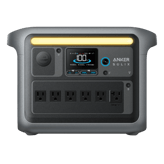
Anker PowerHouse 521
vs
Jackery Explorer 240:
65 Highlights & 30 Differences —
So, Which Portable Power Station Actually Works Better
Jackery’s a legend, but Anker’s 521 brings serious upgrades. One’s a reliable veteran, the other a smart investment for the long run.
What sets Anker PowerHouse 521 and Jackery Explorer 240 apart? We looked at their product width, battery capacity, battery type & un38.3 certification and key differences in this complete portable power stations face-off.
Anker PowerHouse 521 vs Jackery Explorer 240: Which Compact Power Station Truly Delivers?
The portable power station market has exploded with options designed for campers, travelers, and emergency preppers. Among the most recognized names are the Anker PowerHouse 521 and the Jackery Explorer 240. Both are lightweight, battery-powered generators that offer reliable off-grid energy, yet they differ significantly in design philosophy and technology. While both share a compact build, battery capacity and basic power output suitable for charging small appliances, the Anker’s newer technology and superior battery chemistry set it apart. On the other hand, Jackery’s simplicity and proven track record keep it a strong choice for first-time buyers and casual users.
Each model supports multiple charging methods, such as AC, car, and solar, while maintaining a similar rated output of 200 watts. Both feature pure sine wave inverters, ensuring smooth power delivery to sensitive electronics like laptops or CPAP machines. Yet, once you dig deeper, the Anker’s faster charging time, extended lifespan, and more advanced protection systems begin to reveal its edge in performance and longevity.
Why the Anker PowerHouse 521 Stands Out
Released in 2022, the Anker PowerHouse 521 is one of the most modern small-capacity power stations on the market. Built around a Lithium Iron Phosphate (LiFePO4) battery, it delivers a long-lasting 3,000-cycle lifespan—six times more than the Explorer 240. This chemistry not only improves safety but also maintains consistent capacity retention even after years of use. The 256Wh capacity is slightly higher than Jackery’s 240Wh, offering just a bit more runtime for your phone, camera, or mini-fridge when you’re off-grid.
Beyond durability, the PowerHouse 521 includes a forward-thinking design approach. It features one USB-C port with 60W Power Delivery, two AC outlets, and two USB-A ports, giving it a balanced mix of modern and legacy charging support. The ability to charge via dual inputs—AC and USB-C simultaneously—makes it a winner for users who hate waiting around. Its AC recharge time is a quick 2.5 hours, nearly twice as fast as Jackery’s.
For safety and reliability, Anker integrates comprehensive protection systems, including temperature control, overcurrent, and overload protection. The inclusion of a smart cooling fan and eco mode ensures efficient energy use while maintaining quiet operation. A clear LCD display shows essential data like power draw and charge level, while the five-year warranty—a standout in this category—reflects Anker’s confidence in its build quality. Available for around $159.99 at AnkerSolix.com, it packs exceptional value for what it delivers.
Where the Jackery Explorer 240 Still Shines
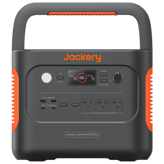
Despite being released back in 2018, the Jackery Explorer 240 remains a bestseller for good reason. It’s lighter, weighing only 6.6 lbs compared to Anker’s 9.57 lbs, making it easier to carry on hikes or weekend trips. Its simple design—bright orange accents, a sturdy handle, and intuitive controls—make it approachable for non-tech users. The single AC output port and two USB-A ports cover the basics for most small devices and gadgets, while its 100W solar input gives it decent renewable energy compatibility.
Though it uses an older NMC lithium-ion battery rated for about 500 cycles, the Explorer 240 remains dependable for occasional use. The inclusion of UN38.3 and UL certifications ensures safe transport and operation, even in regulated environments. It supports pass-through charging, so you can recharge while powering devices—handy for long camping sessions. Its larger handle and upright design also make it easier to store in tight spaces, like van cabinets or tent corners.
Jackery has long been praised for its broad ecosystem of compatible accessories, including the popular SolarSaga panels, making it simple to expand your off-grid setup. While its solar recharge time is a bit longer (around 5 hours), it’s still respectable for its category. Retail prices vary widely, ranging from $110 at Walmart to $219 on Jackery’s official site, depending on sales and bundles.
Quick Take
The Anker PowerHouse 521 excels in longevity, safety, and modern connectivity. Its LiFePO4 battery chemistry, rapid charging, and dual input support make it ideal for users who want a smart, future-proof portable power solution. Meanwhile, the Jackery Explorer 240 still appeals with its lower weight, trusted brand recognition, and straightforward usability for everyday campers or emergency prep kits.
If you prioritize durability and speed, Anker is the clear pick. But if portability and simplicity matter most, Jackery delivers reliable performance in a compact, budget-friendly form.
Bottom Line
In this face-off, the Anker PowerHouse 521 emerges as the better all-rounder, thanks to its advanced battery tech, faster charging, and extended warranty. It’s built for users who plan to rely on their station regularly and want longevity over time. The Jackery Explorer 240, however, remains an excellent entry-level model for light users who prefer a simpler interface and proven reliability at a lower upfront cost.
Verdict
Winner: Anker PowerHouse 521 – Superior LiFePO4 battery, faster charging, and a five-year warranty make it the more durable and efficient choice.
Runner-up: Jackery Explorer 240 – Lighter and more affordable, ideal for beginners or those needing occasional portable power.
Side by side. The numbers. The features. No drama.
Not just a spec list — this is a side-by-side portable power stations comparison between Anker PowerHouse 521 and Jackery Explorer 240, packed with useful details, standout features, and what users actually say. See which portable power station wins your vote.
Anker’s 5-year warranty far exceeds Jackery’s 3-year coverage, underscoring its longer battery lifespan and stronger consumer confidence—ideal for buyers wanting lasting protection.
Duration of manufacturer warranty coverage.
In the battle of Warranty Period,
Anker PowerHouse 521 ◉ is
better than
Jackery Explorer 240 ◉
, delivering
higher
24.0 months
measurement.
Don’t keep it to yourself — be the first to react and review the
Warranty Period on Anker PowerHouse 521 ◉
vs Jackery Explorer 240 ◉ and help others decide!
The Anker PowerHouse 521 launched in 2022, four years after the Jackery Explorer 240 (2018). The newer release benefits from updated components and improved efficiency, giving Anker a clear edge in modern battery tech and charging systems.
Indicates the year the product was released to market.
In the battle of Release Year,
Anker PowerHouse 521 ◉ is
better than
Jackery Explorer 240 ◉
, delivering
higher
38 score
measurement.
Don’t keep it to yourself — be the first to react and review the
Release Year on Anker PowerHouse 521 ◉
vs Jackery Explorer 240 ◉ and help others decide!
Product Type
What is the product type?
83
Anker PowerHouse 521
0Votes
Portable Power Station
75
Jackery Explorer 240
0Votes
Portable Power Station
Defines the category of the product.
In the battle of Product Type,
Anker PowerHouse 521 ◉ is
better than
Jackery Explorer 240 ◉
, delivering
higher
8 score
measurement.
Don’t keep it to yourself — be the first to react and review the
Product Type on Anker PowerHouse 521 ◉
vs Jackery Explorer 240 ◉ and help others decide!
Model Name
What is the model name?
63
Anker PowerHouse 521
0Votes
PowerHouse 521
59
Jackery Explorer 240
0Votes
Explorer 240
Identifies the commercial name used in marketing.
In the battle of Model Name,
Anker PowerHouse 521 ◉ is
better than
Jackery Explorer 240 ◉
, delivering
higher
4 score
measurement.
Don’t keep it to yourself — be the first to react and review the
Model Name on Anker PowerHouse 521 ◉
vs Jackery Explorer 240 ◉ and help others decide!
Model Number
What is the model number?
68
Anker PowerHouse 521
0Votes
A1720
Who knows?
0Votes
Jackery Explorer 240
(Help us out by suggesting one!)
Manufacturer’s unique identifier for the model.
Don’t keep it to yourself — be the first to react and review the
Model Number on Anker PowerHouse 521 ◉
vs Jackery Explorer 240 ◉ and help others decide!
Country of Manufacture
Where was it manufactured?
43
Anker PowerHouse 521
0Votes
China
35
Jackery Explorer 240
0Votes
China
Specifies where the product was manufactured.
In the battle of Country of Manufacture,
Anker PowerHouse 521 ◉ is
better than
Jackery Explorer 240 ◉
, delivering
higher
8 score
measurement.
Don’t keep it to yourself — be the first to react and review the
Country of Manufacture on Anker PowerHouse 521 ◉
vs Jackery Explorer 240 ◉ and help others decide!
Target Market
What is the target market?
37
Anker PowerHouse 521
0Votes
US, EU, Asia, Global
29
Jackery Explorer 240
0Votes
US, EU, Asia, Global
Defines the geographic or demographic market.
In the battle of Target Market,
Anker PowerHouse 521 ◉ is
better than
Jackery Explorer 240 ◉
, delivering
higher
8 score
measurement.
Don’t keep it to yourself — be the first to react and review the
Target Market on Anker PowerHouse 521 ◉
vs Jackery Explorer 240 ◉ and help others decide!
Age Group Suitability
What age group is it suitable for?
13
Anker PowerHouse 521
0Votes
Adults
5
Jackery Explorer 240
0Votes
Adults
Indicates if the product has usage limitations by age.
In the battle of Age Group Suitability,
Anker PowerHouse 521 ◉ is
better than
Jackery Explorer 240 ◉
, delivering
higher
8 score
measurement.
Don’t keep it to yourself — be the first to react and review the
Age Group Suitability on Anker PowerHouse 521 ◉
vs Jackery Explorer 240 ◉ and help others decide!
Gender Suitability
What gender is it suitable for?
43
Anker PowerHouse 521
0Votes
Unisex
35
Jackery Explorer 240
0Votes
Unisex
Specifies if the product targets a gender.
In the battle of Gender Suitability,
Anker PowerHouse 521 ◉ is
better than
Jackery Explorer 240 ◉
, delivering
higher
8 score
measurement.
Don’t keep it to yourself — be the first to react and review the
Gender Suitability on Anker PowerHouse 521 ◉
vs Jackery Explorer 240 ◉ and help others decide!
Launch Market Region
What was the launch market region?
74
Anker PowerHouse 521
0Votes
US, EU, Asia, Global
66
Jackery Explorer 240
0Votes
US, EU, Asia, Global
First region where the product was introduced.
In the battle of Launch Market Region,
Anker PowerHouse 521 ◉ is
better than
Jackery Explorer 240 ◉
, delivering
higher
8 score
measurement.
Don’t keep it to yourself — be the first to react and review the
Launch Market Region on Anker PowerHouse 521 ◉
vs Jackery Explorer 240 ◉ and help others decide!
Anker measures 8.5 inches (21.6 cm) wide versus Jackery’s 9.1 inches (23.1 cm). Despite its heavier body, Anker is slightly slimmer, fitting more easily into narrow shelves or compact storage spaces.
The overall width of the unit.
In the battle of Product Width,
Anker PowerHouse 521 ◉ is
better than
Jackery Explorer 240 ◉
, delivering
lower
0.6 inch
measurement.
Don’t keep it to yourself — be the first to react and review the
Product Width on Anker PowerHouse 521 ◉
vs Jackery Explorer 240 ◉ and help others decide!
The Anker’s depth is 8.32 inches (21.1 cm), notably larger than Jackery’s 5.2 inches (13.2 cm). The extra depth comes from Anker’s advanced cooling and LiFePO4 battery housing, which enhances heat management and durability.
The overall depth of the unit.
In the battle of Product Depth,
Anker PowerHouse 521 ◉ is
worse than
Jackery Explorer 240 ◉
, delivering
higher
3.1 inch
measurement.
Don’t keep it to yourself — be the first to react and review the
Product Depth on Anker PowerHouse 521 ◉
vs Jackery Explorer 240 ◉ and help others decide!
At 5.67 inches (14.4 cm), the Anker PowerHouse 521 is shorter than the Jackery Explorer 240’s 7.9 inches (20.1 cm). The lower profile makes Anker more stable on uneven ground or vehicle surfaces, ideal for van life setups.
The overall height of the unit.
In the battle of Product Height,
Anker PowerHouse 521 ◉ is
better than
Jackery Explorer 240 ◉
, delivering
lower
2.2 inch
measurement.
Don’t keep it to yourself — be the first to react and review the
Product Height on Anker PowerHouse 521 ◉
vs Jackery Explorer 240 ◉ and help others decide!
The PowerHouse 521 weighs 9.57 lbs (4.34 kg), while the Explorer 240 is just 6.6 lbs (2.99 kg). Jackery’s lighter build is easier to carry for camping or hiking, though Anker’s heavier design accommodates more robust internals and battery protection.
The weight of the device itself.
In the battle of Product Weight,
Anker PowerHouse 521 ◉ is
worse than
Jackery Explorer 240 ◉
, delivering
higher
3.0 lbs
measurement.
Don’t keep it to yourself — be the first to react and review the
Product Weight on Anker PowerHouse 521 ◉
vs Jackery Explorer 240 ◉ and help others decide!
Package Weight
What is the package weight?
9.65
lbs
0Votes
Who knows?
0Votes
Jackery Explorer 240
(Help us out by suggesting one!)
Anker PowerHouse 521
The weight of the package is roughly 4.38 kg, making it easy to handle for shipping.
The shipping weight including packaging.
Don’t keep it to yourself — be the first to react and review the
Package Weight on Anker PowerHouse 521 ◉
vs Jackery Explorer 240 ◉ and help others decide!
Package Width
What is the package width?
Who knows?
0Votes
Anker PowerHouse 521
(Help us out by suggesting one!)
Who knows?
0Votes
Jackery Explorer 240
(Help us out by suggesting one!)
Width of the shipping package.
Don’t keep it to yourself — be the first to react and review the
Package Width on Anker PowerHouse 521 ◉
vs Jackery Explorer 240 ◉ and help others decide!
Package Depth
What is the package depth?
Who knows?
0Votes
Anker PowerHouse 521
(Help us out by suggesting one!)
Who knows?
0Votes
Jackery Explorer 240
(Help us out by suggesting one!)
Depth of the shipping package.
Don’t keep it to yourself — be the first to react and review the
Package Depth on Anker PowerHouse 521 ◉
vs Jackery Explorer 240 ◉ and help others decide!
Package Height
What is the package height?
Who knows?
0Votes
Anker PowerHouse 521
(Help us out by suggesting one!)
Who knows?
0Votes
Jackery Explorer 240
(Help us out by suggesting one!)
Height of the shipping package.
Don’t keep it to yourself — be the first to react and review the
Package Height on Anker PowerHouse 521 ◉
vs Jackery Explorer 240 ◉ and help others decide!
Handle Type
What type of handle does it have?
43
Anker PowerHouse 521
0Votes
Fixed
35
Jackery Explorer 240
0Votes
Fixed
Describes the type of handle provided.
In the battle of Handle Type,
Anker PowerHouse 521 ◉ is
better than
Jackery Explorer 240 ◉
, delivering
higher
8 score
measurement.
Don’t keep it to yourself — be the first to react and review the
Handle Type on Anker PowerHouse 521 ◉
vs Jackery Explorer 240 ◉ and help others decide!
Telescopic Handle Height
What is the telescopic handle height?
Who knows?
0Votes
Anker PowerHouse 521
(Help us out by suggesting one!)
Who knows?
0Votes
Jackery Explorer 240
(Help us out by suggesting one!)
Maximum height of an extended telescopic handle.
Don’t keep it to yourself — be the first to react and review the
Telescopic Handle Height on Anker PowerHouse 521 ◉
vs Jackery Explorer 240 ◉ and help others decide!
Underbody Clearance
What is the underbody clearance?
Who knows?
0Votes
Anker PowerHouse 521
(Help us out by suggesting one!)
Who knows?
0Votes
Jackery Explorer 240
(Help us out by suggesting one!)
Clearance space for wheeled models, useful on rough terrain.
Don’t keep it to yourself — be the first to react and review the
Underbody Clearance on Anker PowerHouse 521 ◉
vs Jackery Explorer 240 ◉ and help others decide!
Anker offers 256 Wh compared to Jackery’s 240 Wh—a 7% higher capacity. While small on paper, this translates to roughly 15–20 extra minutes of runtime for typical electronics, valuable for longer camping sessions or blackout support.
Total energy storage capacity of the battery.
In the battle of Battery Capacity,
Anker PowerHouse 521 ◉ is
better than
Jackery Explorer 240 ◉
, delivering
higher
16.0 Wh
measurement.
Don’t keep it to yourself — be the first to react and review the
Battery Capacity on Anker PowerHouse 521 ◉
vs Jackery Explorer 240 ◉ and help others decide!
Anker provides two AC outlets, whereas Jackery includes only one. The extra outlet allows powering multiple appliances simultaneously—useful for setups combining lighting, laptops, or fans at once.
Number of AC outlets available.
In the battle of AC Output Ports,
Anker PowerHouse 521 ◉ is
better than
Jackery Explorer 240 ◉
, delivering
higher
28 score
measurement.
Don’t keep it to yourself — be the first to react and review the
AC Output Ports on Anker PowerHouse 521 ◉
vs Jackery Explorer 240 ◉ and help others decide!
Jackery supports a surge power output of 400W, while Anker doesn’t list a surge figure. Jackery’s higher surge tolerance helps handle short power spikes from small appliances, offering flexibility for demanding startup loads.
Maximum peak output for short bursts.
In the battle of Surge Power Output,
Anker PowerHouse 521 ◉ is
better than
Jackery Explorer 240 ◉
, delivering
higher
50.0 Watt
measurement.
Don’t keep it to yourself — be the first to react and review the
Surge Power Output on Anker PowerHouse 521 ◉
vs Jackery Explorer 240 ◉ and help others decide!
The PowerHouse 521 includes one 60W USB-C port, while the Explorer 240 lacks any USB-C support. This gives Anker a clear advantage for charging laptops, tablets, and modern devices directly without adapters.
Number of USB-C output ports.
In the battle of USB-C Ports,
Anker PowerHouse 521 ◉ is
better than
Jackery Explorer 240 ◉
, delivering
higher
23 score
measurement.
Don’t keep it to yourself — be the first to react and review the
USB-C Ports on Anker PowerHouse 521 ◉
vs Jackery Explorer 240 ◉ and help others decide!
Car Socket Output
How many car sockets are available?
43
Anker PowerHouse 521
0Votes
1 Outlet
35
Jackery Explorer 240
0Votes
1 Outlet
Anker PowerHouse 521
The car socket supports a 120W output, ideal for powering car electronics or small devices.
Jackery Explorer 240
1 x 12V car port: A cigarette lighter port for powering or charging compatible devices.
Number of 12V car-style sockets.
In the battle of Car Socket Output,
Anker PowerHouse 521 ◉ is
better than
Jackery Explorer 240 ◉
, delivering
higher
8 score
measurement.
Don’t keep it to yourself — be the first to react and review the
Car Socket Output on Anker PowerHouse 521 ◉
vs Jackery Explorer 240 ◉ and help others decide!
AC Output Wattage
What is the AC output wattage?
200
W
0Votes
200
W
0Votes
Anker PowerHouse 521
Provides a steady 200W output, ideal for powering small appliances like a fan or laptop.
The amount of power the unit can provide to AC devices.
In the battle of AC Output Wattage,
Anker PowerHouse 521 ◉ is
same as
Jackery Explorer 240 ◉
, delivering
equal
200.00 W
measurement.
Don’t keep it to yourself — be the first to react and review the
AC Output Wattage on Anker PowerHouse 521 ◉
vs Jackery Explorer 240 ◉ and help others decide!
USB-A Ports
How many USB-A ports are available?
33
Anker PowerHouse 521
0Votes
2 Ports
25
Jackery Explorer 240
0Votes
2 Ports
Jackery Explorer 240
Includes two USB-A, providing power output of 24W maximum per port.
Number of USB-A output ports.
In the battle of USB-A Ports,
Anker PowerHouse 521 ◉ is
better than
Jackery Explorer 240 ◉
, delivering
higher
8 score
measurement.
Don’t keep it to yourself — be the first to react and review the
USB-A Ports on Anker PowerHouse 521 ◉
vs Jackery Explorer 240 ◉ and help others decide!
USB-C Power Delivery Wattage
What is the USB-C PD wattage?
60
Watt
0Votes
Who knows?
0Votes
Jackery Explorer 240
(Help us out by suggesting one!)
Anker PowerHouse 521
The USB-C port supports fast charging up to 60W, perfect for charging laptops and tablets quickly.
Maximum Power Delivery (PD) rating for USB-C ports.
Don’t keep it to yourself — be the first to react and review the
USB-C Power Delivery Wattage on Anker PowerHouse 521 ◉
vs Jackery Explorer 240 ◉ and help others decide!
Car Socket Wattage
What is the car socket wattage?
120
Watt
0Votes
120
Watt
0Votes
Jackery Explorer 240
Delivers about the same power as a standard car lighter socket, useful for running small 12V devices.
Wattage supported by car socket outputs.
In the battle of Car Socket Wattage,
Anker PowerHouse 521 ◉ is
same as
Jackery Explorer 240 ◉
, delivering
equal
120.00 Watt
measurement.
Don’t keep it to yourself — be the first to react and review the
Car Socket Wattage on Anker PowerHouse 521 ◉
vs Jackery Explorer 240 ◉ and help others decide!
Frequency
What is the output frequency?
93
Anker PowerHouse 521
0Votes
50/60Hz
55
Jackery Explorer 240
0Votes
60Hz
Jackery Explorer 240
Matches standard US household frequency; EU versions typically run on 50Hz.
AC output frequency (usually 50Hz or 60Hz).
In the battle of Frequency,
Anker PowerHouse 521 ◉ is
better than
Jackery Explorer 240 ◉
, delivering
higher
38 score
measurement.
Don’t keep it to yourself — be the first to react and review the
Frequency on Anker PowerHouse 521 ◉
vs Jackery Explorer 240 ◉ and help others decide!
Rated Power Output
What is the rated power output?
200
Watt
0Votes
200
Watt
0Votes
Continuous power output supported by the inverter.
In the battle of Rated Power Output,
Anker PowerHouse 521 ◉ is
same as
Jackery Explorer 240 ◉
, delivering
equal
200.00 Watt
measurement.
Don’t keep it to yourself — be the first to react and review the
Rated Power Output on Anker PowerHouse 521 ◉
vs Jackery Explorer 240 ◉ and help others decide!
DC Output Ports
How many DC output ports are there?
Who knows?
0Votes
Anker PowerHouse 521
(Help us out by suggesting one!)
Who knows?
0Votes
Jackery Explorer 240
(Help us out by suggesting one!)
Number of DC output ports available.
Don’t keep it to yourself — be the first to react and review the
DC Output Ports on Anker PowerHouse 521 ◉
vs Jackery Explorer 240 ◉ and help others decide!
Wireless Charging Pad
Does it have a wireless charging pad?
No
0Votes
Anker PowerHouse 521
No
0Votes
Jackery Explorer 240
Indicates if a wireless charging pad is included.
In the battle of Wireless Charging Pad,
Anker PowerHouse 521 ◉ is
same as
Jackery Explorer 240 ◉
.
Don’t keep it to yourself — be the first to react and review the
Wireless Charging Pad on Anker PowerHouse 521 ◉
vs Jackery Explorer 240 ◉ and help others decide!
Pure Sine Wave Inverter
Is it a pure sine wave inverter?
Yes
0Votes
Anker PowerHouse 521
Yes
0Votes
Jackery Explorer 240
Indicates if the AC inverter provides pure sine wave output.
In the battle of Pure Sine Wave Inverter,
Anker PowerHouse 521 ◉ is
better than
Jackery Explorer 240 ◉
, delivering
higher
2 score
measurement.
Don’t keep it to yourself — be the first to react and review the
Pure Sine Wave Inverter on Anker PowerHouse 521 ◉
vs Jackery Explorer 240 ◉ and help others decide!
24V/48V Output Support
Does it support 24V/48V output?
No
0Votes
Anker PowerHouse 521
No
0Votes
Jackery Explorer 240
Indicates if the unit supports high-voltage DC outputs.
In the battle of 24V/48V Output Support,
Anker PowerHouse 521 ◉ is
same as
Jackery Explorer 240 ◉
.
Don’t keep it to yourself — be the first to react and review the
24V/48V Output Support on Anker PowerHouse 521 ◉
vs Jackery Explorer 240 ◉ and help others decide!
Anderson Port Output Support
Is an Anderson output available?
No
0Votes
Anker PowerHouse 521
No
0Votes
Jackery Explorer 240
Shows if Anderson Powerpole outputs are provided.
In the battle of Anderson Port Output Support,
Anker PowerHouse 521 ◉ is
same as
Jackery Explorer 240 ◉
.
Don’t keep it to yourself — be the first to react and review the
Anderson Port Output Support on Anker PowerHouse 521 ◉
vs Jackery Explorer 240 ◉ and help others decide!
RV/TT-30 Outlet Support
Does it have a TT-30 outlet?
No
0Votes
Anker PowerHouse 521
No
0Votes
Jackery Explorer 240
Indicates if there’s a TT-30 outlet for RVs.
In the battle of RV/TT-30 Outlet Support,
Anker PowerHouse 521 ◉ is
same as
Jackery Explorer 240 ◉
.
Don’t keep it to yourself — be the first to react and review the
RV/TT-30 Outlet Support on Anker PowerHouse 521 ◉
vs Jackery Explorer 240 ◉ and help others decide!
UPS Switching Time
What is the UPS switching time?
Who knows?
0Votes
Anker PowerHouse 521
(Help us out by suggesting one!)
Who knows?
0Votes
Jackery Explorer 240
(Help us out by suggesting one!)
Time taken for the UPS system to switch from grid power to battery power.
Don’t keep it to yourself — be the first to react and review the
UPS Switching Time on Anker PowerHouse 521 ◉
vs Jackery Explorer 240 ◉ and help others decide!
DC Barrel Jack
How many DC barrel output ports does it have?
0
Anker PowerHouse 521
0Votes
Not Provided
0
Jackery Explorer 240
0Votes
Not Provided
The number of DC barrel-style output ports available for powering compatible devices.
In the battle of DC Barrel Jack,
Anker PowerHouse 521 ◉ is
same as
Jackery Explorer 240 ◉
.
Don’t keep it to yourself — be the first to react and review the
DC Barrel Jack on Anker PowerHouse 521 ◉
vs Jackery Explorer 240 ◉ and help others decide!
DC Output Ports (Others)
How many other DC output ports are available?
Who knows?
0Votes
Anker PowerHouse 521
(Help us out by suggesting one!)
Who knows?
0Votes
Jackery Explorer 240
(Help us out by suggesting one!)
The number of other DC output ports (such as aviation, Anderson, or special-purpose ports)
Don’t keep it to yourself — be the first to react and review the
DC Output Ports (Others) on Anker PowerHouse 521 ◉
vs Jackery Explorer 240 ◉ and help others decide!
Anker charges in about 150 minutes (2.5 hours), while Jackery takes around 330 minutes (5.5 hours). That’s more than twice as fast, saving significant downtime for users needing quick top-ups before trips or emergencies.
Average charging time using AC input.
In the battle of Charging Time (AC),
Anker PowerHouse 521 ◉ is
better than
Jackery Explorer 240 ◉
, delivering
lower
180.0 minutes
measurement.
Don’t keep it to yourself — be the first to react and review the
Charging Time (AC) on Anker PowerHouse 521 ◉
vs Jackery Explorer 240 ◉ and help others decide!
The PowerHouse 521 recharges in about 4.1 hours under solar input, compared to 5 hours for the Explorer 240. Though close, Anker’s slightly faster solar charge benefits users relying on limited daylight hours.
Average charging time using solar input.
In the battle of Charging Time (Solar),
Anker PowerHouse 521 ◉ is
better than
Jackery Explorer 240 ◉
, delivering
lower
0.9 hours
measurement.
Don’t keep it to yourself — be the first to react and review the
Charging Time (Solar) on Anker PowerHouse 521 ◉
vs Jackery Explorer 240 ◉ and help others decide!
Anker recharges via car input in 4.1 hours, faster than Jackery’s 6.5 hours. This efficiency makes it ideal for road trips, allowing users to regain power during shorter drives.
Average charging time using car input.
In the battle of Charging Time (Car),
Anker PowerHouse 521 ◉ is
better than
Jackery Explorer 240 ◉
, delivering
lower
2.4 hours
measurement.
Don’t keep it to yourself — be the first to react and review the
Charging Time (Car) on Anker PowerHouse 521 ◉
vs Jackery Explorer 240 ◉ and help others decide!
Jackery supports up to 100W solar input, compared to Anker’s 65W. This means Jackery can recharge faster in strong sunlight when paired with a large panel—advantageous for off-grid campers or solar enthusiasts.
Maximum supported solar input wattage.
In the battle of Solar Charging Input Wattage,
Anker PowerHouse 521 ◉ is
worse than
Jackery Explorer 240 ◉
, delivering
lower
35.0 Watt
measurement.
Don’t keep it to yourself — be the first to react and review the
Solar Charging Input Wattage on Anker PowerHouse 521 ◉
vs Jackery Explorer 240 ◉ and help others decide!
Only Anker offers fast charging capability. This allows higher input efficiency and quicker turnaround for devices, making it more suitable for users needing power on tight schedules.
Indicates if the unit supports fast charging.
In the battle of Fast Charging Support,
Anker PowerHouse 521 ◉ is
better than
Jackery Explorer 240 ◉
, delivering
higher
42 score
measurement.
Don’t keep it to yourself — be the first to react and review the
Fast Charging Support on Anker PowerHouse 521 ◉
vs Jackery Explorer 240 ◉ and help others decide!
The PowerHouse 521 supports dual charging (AC + USB-C), while the Explorer 240 does not. Dual input drastically reduces total recharge time, giving Anker a major convenience advantage during busy outdoor use.
Indicates if AC and solar can be used together for faster charging.
In the battle of Dual Charging Support,
Anker PowerHouse 521 ◉ is
better than
Jackery Explorer 240 ◉
, delivering
higher
42 score
measurement.
Don’t keep it to yourself — be the first to react and review the
Dual Charging Support on Anker PowerHouse 521 ◉
vs Jackery Explorer 240 ◉ and help others decide!
AC Charging Input Wattage
What is the AC charging input wattage?
65
Watt
0Votes
65
Watt
0Votes
Jackery Explorer 240
Equals 0.065 kW; this draws less power than a typical light bulb, so it’s efficient to charge from a wall outlet.
Maximum AC input wattage supported for charging.
In the battle of AC Charging Input Wattage,
Anker PowerHouse 521 ◉ is
same as
Jackery Explorer 240 ◉
, delivering
equal
65.00 Watt
measurement.
Don’t keep it to yourself — be the first to react and review the
AC Charging Input Wattage on Anker PowerHouse 521 ◉
vs Jackery Explorer 240 ◉ and help others decide!
Max Input Power
What is the maximum input power?
125
Watt
0Votes
100
Watt
0Votes
Anker PowerHouse 521
Max input power of 125W ensures fast charging from AC, car, or solar sources.
Combined maximum input power across all methods.
In the battle of Max Input Power,
Anker PowerHouse 521 ◉ is
better than
Jackery Explorer 240 ◉
, delivering
higher
25.0 Watt
measurement.
Don’t keep it to yourself — be the first to react and review the
Max Input Power on Anker PowerHouse 521 ◉
vs Jackery Explorer 240 ◉ and help others decide!
Car Charging Input Wattage
What is the car charging input wattage?
65
Watt
0Votes
65
Watt
0Votes
Maximum wattage accepted via car port.
In the battle of Car Charging Input Wattage,
Anker PowerHouse 521 ◉ is
same as
Jackery Explorer 240 ◉
, delivering
equal
65.00 Watt
measurement.
Don’t keep it to yourself — be the first to react and review the
Car Charging Input Wattage on Anker PowerHouse 521 ◉
vs Jackery Explorer 240 ◉ and help others decide!
Input Voltage Range
What is the input voltage range?
84
Anker PowerHouse 521
0Votes
11-28V DC/100-120V AC
60
Jackery Explorer 240
0Votes
12-30V DC
Voltage range accepted by the charging system.
In the battle of Input Voltage Range,
Anker PowerHouse 521 ◉ is
better than
Jackery Explorer 240 ◉
, delivering
higher
24 score
measurement.
Don’t keep it to yourself — be the first to react and review the
Input Voltage Range on Anker PowerHouse 521 ◉
vs Jackery Explorer 240 ◉ and help others decide!
In the battle of Charging Method,
Anker PowerHouse 521 ◉ is
better than
Jackery Explorer 240 ◉
, delivering
higher
17 score
measurement.
Don’t keep it to yourself — be the first to react and review the
Charging Method on Anker PowerHouse 521 ◉
vs Jackery Explorer 240 ◉ and help others decide!
Pass-Through Charging
Does it support pass-through charging?
Yes
0Votes
Anker PowerHouse 521
Yes
0Votes
Jackery Explorer 240
Allows simultaneous charging and discharging.
In the battle of Pass-Through Charging,
Anker PowerHouse 521 ◉ is
better than
Jackery Explorer 240 ◉
, delivering
higher
2 score
measurement.
Don’t keep it to yourself — be the first to react and review the
Pass-Through Charging on Anker PowerHouse 521 ◉
vs Jackery Explorer 240 ◉ and help others decide!
Expandable Battery Support
Can it support expandable batteries?
No
0Votes
Anker PowerHouse 521
No
0Votes
Jackery Explorer 240
Indicates if extra battery packs can be connected.
In the battle of Expandable Battery Support,
Anker PowerHouse 521 ◉ is
same as
Jackery Explorer 240 ◉
.
Don’t keep it to yourself — be the first to react and review the
Expandable Battery Support on Anker PowerHouse 521 ◉
vs Jackery Explorer 240 ◉ and help others decide!
Generator Compatibility
Is it generator compatible?
Who knows?
0Votes
Anker PowerHouse 521
(Help us out by suggesting one!)
Who knows?
0Votes
Jackery Explorer 240
(Help us out by suggesting one!)
Shows if the unit can be safely charged by a generator.
Don’t keep it to yourself — be the first to react and review the
Generator Compatibility on Anker PowerHouse 521 ◉
vs Jackery Explorer 240 ◉ and help others decide!
MPPT Controller Built-in
Does it have an MPPT controller?
Yes
0Votes
Anker PowerHouse 521
Yes
0Votes
Jackery Explorer 240
Shows if the unit includes a built-in MPPT for solar optimization.
In the battle of MPPT Controller Built-in,
Anker PowerHouse 521 ◉ is
better than
Jackery Explorer 240 ◉
, delivering
higher
2 score
measurement.
Don’t keep it to yourself — be the first to react and review the
MPPT Controller Built-in on Anker PowerHouse 521 ◉
vs Jackery Explorer 240 ◉ and help others decide!
Max Solar Panel Count Supported
How many solar panels can it support?
33
Anker PowerHouse 521
0Votes
1 x 65W
25
Jackery Explorer 240
0Votes
1 x 100W
Maximum number of solar panels that can be connected simultaneously.
In the battle of Max Solar Panel Count Supported,
Anker PowerHouse 521 ◉ is
better than
Jackery Explorer 240 ◉
, delivering
higher
8 score
measurement.
Don’t keep it to yourself — be the first to react and review the
Max Solar Panel Count Supported on Anker PowerHouse 521 ◉
vs Jackery Explorer 240 ◉ and help others decide!
Anker delivers 3,000 charge cycles versus Jackery’s 500 cycles—a sixfold increase. That means the PowerHouse 521 can last up to 8–10 years of regular use, whereas Jackery may degrade noticeably after just a few years.
Approximate number of full charge/discharge cycles before capacity drops to 80%.
In the battle of Cycle Life,
Anker PowerHouse 521 ◉ is
better than
Jackery Explorer 240 ◉
, delivering
higher
2,500.0 cycles
measurement.
Don’t keep it to yourself — be the first to react and review the
Cycle Life on Anker PowerHouse 521 ◉
vs Jackery Explorer 240 ◉ and help others decide!
Both units offer safety features, but Anker adds smart temperature monitoring. This advanced protection ensures stable performance under heat or cold stress, enhancing reliability for frequent outdoor or emergency use.
Monitors and protects the unit from unsafe temperatures.
In the battle of Temperature Protection,
Anker PowerHouse 521 ◉ is
better than
Jackery Explorer 240 ◉
, delivering
higher
2 score
measurement.
Don’t keep it to yourself — be the first to react and review the
Temperature Protection on Anker PowerHouse 521 ◉
vs Jackery Explorer 240 ◉ and help others decide!
63
Anker PowerHouse 521
0Votes
Lithium Iron Phosphate (LFP)
35
Jackery Explorer 240
0Votes
Lithium-ion
vs
Battery Type
The PowerHouse 521 uses Lithium Iron Phosphate (LiFePO4), while the Explorer 240 relies on Lithium-ion (NMC). LiFePO4 batteries are safer, more stable, and last significantly longer, making Anker better for frequent use and long-term reliability.
Defines the core type of battery used.
In the battle of Battery Type,
Anker PowerHouse 521 ◉ is
better than
Jackery Explorer 240 ◉
, delivering
higher
28 score
measurement.
Don’t keep it to yourself — be the first to react and review the
Battery Type on Anker PowerHouse 521 ◉
vs Jackery Explorer 240 ◉ and help others decide!
Overcharge Protection
Does it have overcharge protection?
Yes
0Votes
Anker PowerHouse 521
Yes
0Votes
Jackery Explorer 240
Anker PowerHouse 521
This feature prevents damage to the battery from excessive charging, ensuring longer life.
Prevents damage from charging beyond safe voltage.
In the battle of Overcharge Protection,
Anker PowerHouse 521 ◉ is
better than
Jackery Explorer 240 ◉
, delivering
higher
2 score
measurement.
Don’t keep it to yourself — be the first to react and review the
Overcharge Protection on Anker PowerHouse 521 ◉
vs Jackery Explorer 240 ◉ and help others decide!
Over-discharge Protection
Does it have over-discharge protection?
Yes
0Votes
Anker PowerHouse 521
Yes
0Votes
Jackery Explorer 240
Anker PowerHouse 521
Safeguards against discharging too deeply, which can damage the battery.
Protects the battery from being drained below safe levels.
In the battle of Over-discharge Protection,
Anker PowerHouse 521 ◉ is
better than
Jackery Explorer 240 ◉
, delivering
higher
2 score
measurement.
Don’t keep it to yourself — be the first to react and review the
Over-discharge Protection on Anker PowerHouse 521 ◉
vs Jackery Explorer 240 ◉ and help others decide!
Overcurrent Protection
Does it have overcurrent protection?
Yes
0Votes
Anker PowerHouse 521
Yes
0Votes
Jackery Explorer 240
Anker PowerHouse 521
Prevents potential damage from overcurrent situations, keeping your devices safe.
Prevents excessive current draw from damaging components.
In the battle of Overcurrent Protection,
Anker PowerHouse 521 ◉ is
better than
Jackery Explorer 240 ◉
, delivering
higher
2 score
measurement.
Don’t keep it to yourself — be the first to react and review the
Overcurrent Protection on Anker PowerHouse 521 ◉
vs Jackery Explorer 240 ◉ and help others decide!
Short Circuit Protection
Does it have short circuit protection?
Yes
0Votes
Anker PowerHouse 521
Yes
0Votes
Jackery Explorer 240
Anker PowerHouse 521
Provides protection from electrical short circuits to ensure safe operation.
Protects against short circuits in the system.
In the battle of Short Circuit Protection,
Anker PowerHouse 521 ◉ is
better than
Jackery Explorer 240 ◉
, delivering
higher
2 score
measurement.
Don’t keep it to yourself — be the first to react and review the
Short Circuit Protection on Anker PowerHouse 521 ◉
vs Jackery Explorer 240 ◉ and help others decide!
UPS / EPS Function
Does it have UPS/EPS functionality?
No
0Votes
Anker PowerHouse 521
No
0Votes
Jackery Explorer 240
Indicates support for uninterruptible or emergency power supply.
Don’t keep it to yourself — be the first to react and review the
UPS / EPS Function on Anker PowerHouse 521 ◉
vs Jackery Explorer 240 ◉ and help others decide!
Parallel Battery Connection Support
Does it support parallel battery connection?
No
0Votes
Anker PowerHouse 521
No
0Votes
Jackery Explorer 240
Allows multiple batteries to be connected in parallel for extended capacity.
In the battle of Parallel Battery Connection Support,
Anker PowerHouse 521 ◉ is
same as
Jackery Explorer 240 ◉
.
Don’t keep it to yourself — be the first to react and review the
Parallel Battery Connection Support on Anker PowerHouse 521 ◉
vs Jackery Explorer 240 ◉ and help others decide!
Battery Chemistry
What is the battery chemistry?
33
Anker PowerHouse 521
0Votes
LiFePO4
55
Jackery Explorer 240
0Votes
NMC
Indicates the chemical composition of the battery cells.
In the battle of Battery Chemistry,
Anker PowerHouse 521 ◉ is
worse than
Jackery Explorer 240 ◉
, delivering
lower
22 score
measurement.
Don’t keep it to yourself — be the first to react and review the
Battery Chemistry on Anker PowerHouse 521 ◉
vs Jackery Explorer 240 ◉ and help others decide!
Battery Management System
Does it include a BMS?
Yes
0Votes
Anker PowerHouse 521
Yes
0Votes
Jackery Explorer 240
Indicates if a BMS is included for safety and efficiency.
In the battle of Battery Management System,
Anker PowerHouse 521 ◉ is
better than
Jackery Explorer 240 ◉
, delivering
higher
2 score
measurement.
Don’t keep it to yourself — be the first to react and review the
Battery Management System on Anker PowerHouse 521 ◉
vs Jackery Explorer 240 ◉ and help others decide!
Replaceable Battery
Is the battery replaceable?
No
0Votes
Anker PowerHouse 521
No
0Votes
Jackery Explorer 240
Indicates if the internal battery can be swapped or replaced.
In the battle of Replaceable Battery,
Anker PowerHouse 521 ◉ is
same as
Jackery Explorer 240 ◉
.
Don’t keep it to yourself — be the first to react and review the
Replaceable Battery on Anker PowerHouse 521 ◉
vs Jackery Explorer 240 ◉ and help others decide!
Firmware Upgradable
Is the firmware upgradable?
No
0Votes
Anker PowerHouse 521
No
0Votes
Jackery Explorer 240
Allows performance or safety updates via firmware.
In the battle of Firmware Upgradable,
Anker PowerHouse 521 ◉ is
same as
Jackery Explorer 240 ◉
.
Don’t keep it to yourself — be the first to react and review the
Firmware Upgradable on Anker PowerHouse 521 ◉
vs Jackery Explorer 240 ◉ and help others decide!
The PowerHouse 521 comes in black, while the Explorer 240 features black-and-orange styling. Jackery’s bright design is easier to spot outdoors, but Anker’s sleek black finish suits home or professional use better.
Available exterior color options.
In the battle of Color Options,
Anker PowerHouse 521 ◉ is
better than
Jackery Explorer 240 ◉
, delivering
higher
3 score
measurement.
Don’t keep it to yourself — be the first to react and review the
Color Options on Anker PowerHouse 521 ◉
vs Jackery Explorer 240 ◉ and help others decide!
Both use LCDs, but Anker’s is brighter and includes more detailed information such as charging wattage and estimated runtime, improving user awareness and control.
Type of display included.
In the battle of Display Type,
Anker PowerHouse 521 ◉ is
better than
Jackery Explorer 240 ◉
, delivering
higher
8 score
measurement.
Don’t keep it to yourself — be the first to react and review the
Display Type on Anker PowerHouse 521 ◉
vs Jackery Explorer 240 ◉ and help others decide!
The PowerHouse 521 offers both matte and glossy finishes, while Jackery stays matte-only. Anker’s dual-finish look feels more premium and modern.
Types of finish available.
In the battle of Finish Options,
Anker PowerHouse 521 ◉ is
better than
Jackery Explorer 240 ◉
, delivering
higher
8 score
measurement.
Don’t keep it to yourself — be the first to react and review the
Finish Options on Anker PowerHouse 521 ◉
vs Jackery Explorer 240 ◉ and help others decide!
Anker uses solid plastic construction, while Jackery combines plastic with ABS for impact resistance. Jackery’s shell offers slightly better drop protection, suitable for outdoor handling.
Main material used in construction.
In the battle of Material,
Anker PowerHouse 521 ◉ is
same as
Jackery Explorer 240 ◉
.
Don’t keep it to yourself — be the first to react and review the
Material on Anker PowerHouse 521 ◉
vs Jackery Explorer 240 ◉ and help others decide!
Both share a box design, but Anker’s lower height and sturdier build create a denser, more stable shape for stationary setups, while Jackery’s taller frame favors portability.
The overall design style of the unit.
In the battle of Form Factor,
Anker PowerHouse 521 ◉ is
better than
Jackery Explorer 240 ◉
, delivering
higher
8 score
measurement.
Don’t keep it to yourself — be the first to react and review the
Form Factor on Anker PowerHouse 521 ◉
vs Jackery Explorer 240 ◉ and help others decide!
Carry Handle
Does it have a carry handle?
Yes
0Votes
Anker PowerHouse 521
Yes
0Votes
Jackery Explorer 240
Anker PowerHouse 521
Equipped with a carry handle for easy portability, ideal for travel or camping.
Indicates if a fixed carry handle is included.
In the battle of Carry Handle,
Anker PowerHouse 521 ◉ is
better than
Jackery Explorer 240 ◉
, delivering
higher
2 score
measurement.
Don’t keep it to yourself — be the first to react and review the
Carry Handle on Anker PowerHouse 521 ◉
vs Jackery Explorer 240 ◉ and help others decide!
Indicator Lights
Does it have indicator lights?
Yes
0Votes
Anker PowerHouse 521
Yes
0Votes
Jackery Explorer 240
Anker PowerHouse 521
The indicator lights help you easily monitor the power status and charging progress.
Indicates if the unit includes status indicator lights.
In the battle of Indicator Lights,
Anker PowerHouse 521 ◉ is
better than
Jackery Explorer 240 ◉
, delivering
higher
2 score
measurement.
Don’t keep it to yourself — be the first to react and review the
Indicator Lights on Anker PowerHouse 521 ◉
vs Jackery Explorer 240 ◉ and help others decide!
Telescopic Handle
Does it have a telescopic handle?
No
0Votes
Anker PowerHouse 521
No
0Votes
Jackery Explorer 240
Indicates if a telescopic handle is provided for rolling.
In the battle of Telescopic Handle,
Anker PowerHouse 521 ◉ is
same as
Jackery Explorer 240 ◉
.
Don’t keep it to yourself — be the first to react and review the
Telescopic Handle on Anker PowerHouse 521 ◉
vs Jackery Explorer 240 ◉ and help others decide!
Wheels
Does it have wheels?
No
0Votes
Anker PowerHouse 521
No
0Votes
Jackery Explorer 240
Shows if the unit has integrated wheels for mobility.
In the battle of Wheels,
Anker PowerHouse 521 ◉ is
same as
Jackery Explorer 240 ◉
.
Don’t keep it to yourself — be the first to react and review the
Wheels on Anker PowerHouse 521 ◉
vs Jackery Explorer 240 ◉ and help others decide!
Stackable Design
Is the design stackable?
No
0Votes
Anker PowerHouse 521
No
0Votes
Jackery Explorer 240
Indicates if the product can be stacked with other units.
In the battle of Stackable Design,
Anker PowerHouse 521 ◉ is
same as
Jackery Explorer 240 ◉
.
Don’t keep it to yourself — be the first to react and review the
Stackable Design on Anker PowerHouse 521 ◉
vs Jackery Explorer 240 ◉ and help others decide!
Detachable Module Design
Does it have a detachable module design?
No
0Votes
Anker PowerHouse 521
No
0Votes
Jackery Explorer 240
Indicates if modules can be detached (e.g., battery packs).
In the battle of Detachable Module Design,
Anker PowerHouse 521 ◉ is
same as
Jackery Explorer 240 ◉
.
Don’t keep it to yourself — be the first to react and review the
Detachable Module Design on Anker PowerHouse 521 ◉
vs Jackery Explorer 240 ◉ and help others decide!
Integrated Cable Storage
Does it have integrated cable storage?
No
0Votes
Anker PowerHouse 521
No
0Votes
Jackery Explorer 240
Shows if the unit provides built-in storage for cables.
In the battle of Integrated Cable Storage,
Anker PowerHouse 521 ◉ is
same as
Jackery Explorer 240 ◉
.
Don’t keep it to yourself — be the first to react and review the
Integrated Cable Storage on Anker PowerHouse 521 ◉
vs Jackery Explorer 240 ◉ and help others decide!
Who knows?
0Votes
Anker PowerHouse 521
(Help us out by suggesting one!)
Who knows?
0Votes
Jackery Explorer 240
(Help us out by suggesting one!)
vs
Fire-Resistant Housing
The PowerHouse 521 includes fire-resistant housing, while Jackery’s is unspecified. Anker’s reinforced material adds a layer of safety for indoor or confined environments where heat protection matters.
Indicates fire-resistant construction materials.
Don’t keep it to yourself — be the first to react and review the
Fire-Resistant Housing on Anker PowerHouse 521 ◉
vs Jackery Explorer 240 ◉ and help others decide!
Anker provides smart temperature monitoring, which Jackery lacks. This feature actively regulates internal heat, preventing performance drops and extending battery life during prolonged operation.
Uses sensors to track and manage internal heat.
In the battle of Smart Temperature Monitoring,
Anker PowerHouse 521 ◉ is
better than
Jackery Explorer 240 ◉
, delivering
higher
42 score
measurement.
Don’t keep it to yourself — be the first to react and review the
Smart Temperature Monitoring on Anker PowerHouse 521 ◉
vs Jackery Explorer 240 ◉ and help others decide!
Both are certified, but Jackery additionally carries UL certification. UL compliance gives Jackery an edge in regulated environments like airlines or international shipping.
Certification for safe air transport of lithium batteries.
In the battle of UN38.3 Certification,
Anker PowerHouse 521 ◉ is
better than
Jackery Explorer 240 ◉
, delivering
higher
2 score
measurement.
Don’t keep it to yourself — be the first to react and review the
UN38.3 Certification on Anker PowerHouse 521 ◉
vs Jackery Explorer 240 ◉ and help others decide!
CE Certification
Is it CE certified?
Yes
0Votes
Anker PowerHouse 521
Yes
0Votes
Jackery Explorer 240
Anker PowerHouse 521
Certified under CE standards, ensuring it meets European health, safety, and environmental protection requirements.
Indicates CE compliance for EU markets.
In the battle of CE Certification,
Anker PowerHouse 521 ◉ is
better than
Jackery Explorer 240 ◉
, delivering
higher
2 score
measurement.
Don’t keep it to yourself — be the first to react and review the
CE Certification on Anker PowerHouse 521 ◉
vs Jackery Explorer 240 ◉ and help others decide!
FCC Certification
Is it FCC certified?
Yes
0Votes
Anker PowerHouse 521
Yes
0Votes
Jackery Explorer 240
Anker PowerHouse 521
Compliant with FCC standards, ensuring the device does not cause harmful interference.
Indicates FCC compliance for electronics.
In the battle of FCC Certification,
Anker PowerHouse 521 ◉ is
better than
Jackery Explorer 240 ◉
, delivering
higher
2 score
measurement.
Don’t keep it to yourself — be the first to react and review the
FCC Certification on Anker PowerHouse 521 ◉
vs Jackery Explorer 240 ◉ and help others decide!
RoHS Compliance
Is it RoHS compliant?
Yes
0Votes
Anker PowerHouse 521
Yes
0Votes
Jackery Explorer 240
Anker PowerHouse 521
Meets RoHS standards, restricting the use of hazardous materials in the product.
Indicates restriction of hazardous substances compliance.
In the battle of RoHS Compliance,
Anker PowerHouse 521 ◉ is
better than
Jackery Explorer 240 ◉
, delivering
higher
2 score
measurement.
Don’t keep it to yourself — be the first to react and review the
RoHS Compliance on Anker PowerHouse 521 ◉
vs Jackery Explorer 240 ◉ and help others decide!
Overload Protection
Does it have overload protection?
Yes
0Votes
Anker PowerHouse 521
Yes
0Votes
Jackery Explorer 240
Anker PowerHouse 521
Safeguards the device from overload situations, ensuring safe operation.
Prevents damage from drawing too much power.
In the battle of Overload Protection,
Anker PowerHouse 521 ◉ is
better than
Jackery Explorer 240 ◉
, delivering
higher
2 score
measurement.
Don’t keep it to yourself — be the first to react and review the
Overload Protection on Anker PowerHouse 521 ◉
vs Jackery Explorer 240 ◉ and help others decide!
Surge Protection
Does it have surge protection?
Yes
0Votes
Anker PowerHouse 521
Yes
0Votes
Jackery Explorer 240
Anker PowerHouse 521
Protects against voltage spikes, making sure sensitive electronics are shielded from damage.
Protects connected devices from power surges.
In the battle of Surge Protection,
Anker PowerHouse 521 ◉ is
better than
Jackery Explorer 240 ◉
, delivering
higher
2 score
measurement.
Don’t keep it to yourself — be the first to react and review the
Surge Protection on Anker PowerHouse 521 ◉
vs Jackery Explorer 240 ◉ and help others decide!
Water Resistance
Is it water-resistant?
No
0Votes
Anker PowerHouse 521
No
0Votes
Jackery Explorer 240
Anker PowerHouse 521
This power station is not water-resistant, so it should be kept dry in outdoor use.
Shows if the device resists water ingress.
In the battle of Water Resistance,
Anker PowerHouse 521 ◉ is
same as
Jackery Explorer 240 ◉
.
Don’t keep it to yourself — be the first to react and review the
Water Resistance on Anker PowerHouse 521 ◉
vs Jackery Explorer 240 ◉ and help others decide!
UL Certification
Is it UL certified?
No
0Votes
Anker PowerHouse 521
Yes
0Votes
Jackery Explorer 240
Indicates UL safety certification.
Don’t keep it to yourself — be the first to react and review the
UL Certification on Anker PowerHouse 521 ◉
vs Jackery Explorer 240 ◉ and help others decide!
Grounding / Earthing Requirement
Does it require grounding?
No
0Votes
Anker PowerHouse 521
No
0Votes
Jackery Explorer 240
Indicates if grounding is required for safe operation.
In the battle of Grounding / Earthing Requirement,
Anker PowerHouse 521 ◉ is
better than
Jackery Explorer 240 ◉
.
Don’t keep it to yourself — be the first to react and review the
Grounding / Earthing Requirement on Anker PowerHouse 521 ◉
vs Jackery Explorer 240 ◉ and help others decide!
Both have eco modes, but Anker’s integration is more refined, automatically reducing energy draw to prolong runtime. This makes it more efficient for overnight or low-power usage scenarios.
Indicates if the device has a power-saving eco mode.
In the battle of Eco Mode,
Anker PowerHouse 521 ◉ is
better than
Jackery Explorer 240 ◉
, delivering
higher
2 score
measurement.
Don’t keep it to yourself — be the first to react and review the
Eco Mode on Anker PowerHouse 521 ◉
vs Jackery Explorer 240 ◉ and help others decide!
Anker operates safely from -4°F to 104°F (-20°C to 40°C), while Jackery’s range is 14°F to 104°F (-10°C to 40°C). The broader cold tolerance gives Anker an edge for winter camping or high-altitude trips.
The temperature range within which the unit can discharge safely.
In the battle of Operating Temperature Range (Discharging),
Anker PowerHouse 521 ◉ is
better than
Jackery Explorer 240 ◉
, delivering
lower
28 score
measurement.
Don’t keep it to yourself — be the first to react and review the
Operating Temperature Range (Discharging) on Anker PowerHouse 521 ◉
vs Jackery Explorer 240 ◉ and help others decide!
Who knows?
0Votes
Anker PowerHouse 521
(Help us out by suggesting one!)
55
Jackery Explorer 240
0Votes
-4°F - 113°F
vs
Storage Temperature Range
Jackery specifies storage from -4°F to 113°F (-20°C to 45°C), while Anker doesn’t list one. Jackery’s clear specification helps users store it safely in varying climates.
Temperature range for safe storage.
Don’t keep it to yourself — be the first to react and review the
Storage Temperature Range on Anker PowerHouse 521 ◉
vs Jackery Explorer 240 ◉ and help others decide!
Operating Temperature Range (Charging)
What is the charging temperature range?
43
Anker PowerHouse 521
0Votes
32°F - 104°F
35
Jackery Explorer 240
0Votes
32°F - 104°F
Anker PowerHouse 521
Charging is safe between 0°C and 40°C, making it suitable for most environments.
The temperature range within which the unit can be charged safely.
In the battle of Operating Temperature Range (Charging),
Anker PowerHouse 521 ◉ is
better than
Jackery Explorer 240 ◉
, delivering
lower
8 score
measurement.
Don’t keep it to yourself — be the first to react and review the
Operating Temperature Range (Charging) on Anker PowerHouse 521 ◉
vs Jackery Explorer 240 ◉ and help others decide!
Operating Humidity Range
What is the operating humidity range?
Who knows?
0Votes
Anker PowerHouse 521
(Help us out by suggesting one!)
Who knows?
0Votes
Jackery Explorer 240
(Help us out by suggesting one!)
Acceptable humidity levels for operation.
Don’t keep it to yourself — be the first to react and review the
Operating Humidity Range on Anker PowerHouse 521 ◉
vs Jackery Explorer 240 ◉ and help others decide!
Noise Level
What is the noise level?
Who knows?
0Votes
Anker PowerHouse 521
(Help us out by suggesting one!)
Who knows?
0Votes
Jackery Explorer 240
(Help us out by suggesting one!)
Average noise output during operation.
Don’t keep it to yourself — be the first to react and review the
Noise Level on Anker PowerHouse 521 ◉
vs Jackery Explorer 240 ◉ and help others decide!
Cooling System Type
What type of cooling system does it use?
93
Anker PowerHouse 521
0Votes
Fan
85
Jackery Explorer 240
0Votes
Fan
Type of cooling system used.
In the battle of Cooling System Type,
Anker PowerHouse 521 ◉ is
better than
Jackery Explorer 240 ◉
, delivering
higher
8 score
measurement.
Don’t keep it to yourself — be the first to react and review the
Cooling System Type on Anker PowerHouse 521 ◉
vs Jackery Explorer 240 ◉ and help others decide!
Dust Resistance
Is it dust resistant?
No
0Votes
Anker PowerHouse 521
No
0Votes
Jackery Explorer 240
Indicates if the device resists dust ingress.
In the battle of Dust Resistance,
Anker PowerHouse 521 ◉ is
same as
Jackery Explorer 240 ◉
.
Don’t keep it to yourself — be the first to react and review the
Dust Resistance on Anker PowerHouse 521 ◉
vs Jackery Explorer 240 ◉ and help others decide!
Weather Resistance
Is it weather resistant?
No
0Votes
Anker PowerHouse 521
No
0Votes
Jackery Explorer 240
Shows if the unit withstands exposure to weather.
In the battle of Weather Resistance,
Anker PowerHouse 521 ◉ is
same as
Jackery Explorer 240 ◉
.
Don’t keep it to yourself — be the first to react and review the
Weather Resistance on Anker PowerHouse 521 ◉
vs Jackery Explorer 240 ◉ and help others decide!
Altitude Limit
What is the altitude limit?
Who knows?
0Votes
Anker PowerHouse 521
(Help us out by suggesting one!)
Who knows?
0Votes
Jackery Explorer 240
(Help us out by suggesting one!)
Maximum altitude for proper operation.
Don’t keep it to yourself — be the first to react and review the
Altitude Limit on Anker PowerHouse 521 ◉
vs Jackery Explorer 240 ◉ and help others decide!
IP Rating
What is the IP rating?
Who knows?
0Votes
Anker PowerHouse 521
(Help us out by suggesting one!)
Who knows?
0Votes
Jackery Explorer 240
(Help us out by suggesting one!)
Defines dust/water resistance levels.
Don’t keep it to yourself — be the first to react and review the
IP Rating on Anker PowerHouse 521 ◉
vs Jackery Explorer 240 ◉ and help others decide!
Cold Weather Charging Support
Does it support cold weather charging?
No
0Votes
Anker PowerHouse 521
No
0Votes
Jackery Explorer 240
Allows charging at sub-freezing temperatures.
In the battle of Cold Weather Charging Support,
Anker PowerHouse 521 ◉ is
same as
Jackery Explorer 240 ◉
.
Don’t keep it to yourself — be the first to react and review the
Cold Weather Charging Support on Anker PowerHouse 521 ◉
vs Jackery Explorer 240 ◉ and help others decide!
Fanless / Silent Mode
Does it have a silent mode?
No
0Votes
Anker PowerHouse 521
No
0Votes
Jackery Explorer 240
Indicates if the device can operate silently without fans.
In the battle of Fanless / Silent Mode,
Anker PowerHouse 521 ◉ is
same as
Jackery Explorer 240 ◉
.
Don’t keep it to yourself — be the first to react and review the
Fanless / Silent Mode on Anker PowerHouse 521 ◉
vs Jackery Explorer 240 ◉ and help others decide!
Connectivity & Smart Features
11
App Connectivity
Does it support app connectivity?
No
0Votes
Anker PowerHouse 521
No
0Votes
Jackery Explorer 240
Jackery Explorer 240
The original version of the Jackery Explorer 240 does not feature app connectivity. It was introduced in later models, such as the Jackery Explorer 240 v2.
Indicates if the unit connects to a mobile app.
In the battle of App Connectivity,
Anker PowerHouse 521 ◉ is
same as
Jackery Explorer 240 ◉
.
Don’t keep it to yourself — be the first to react and review the
App Connectivity on Anker PowerHouse 521 ◉
vs Jackery Explorer 240 ◉ and help others decide!
Bluetooth
Does it support Bluetooth?
No
0Votes
Anker PowerHouse 521
No
0Votes
Jackery Explorer 240
Shows if Bluetooth is available for pairing.
In the battle of Bluetooth,
Anker PowerHouse 521 ◉ is
same as
Jackery Explorer 240 ◉
.
Don’t keep it to yourself — be the first to react and review the
Bluetooth on Anker PowerHouse 521 ◉
vs Jackery Explorer 240 ◉ and help others decide!
Wi-Fi
Does it support Wi-Fi?
No
0Votes
Anker PowerHouse 521
No
0Votes
Jackery Explorer 240
Indicates Wi-Fi connectivity for monitoring and control.
In the battle of Wi-Fi,
Anker PowerHouse 521 ◉ is
same as
Jackery Explorer 240 ◉
.
Don’t keep it to yourself — be the first to react and review the
Wi-Fi on Anker PowerHouse 521 ◉
vs Jackery Explorer 240 ◉ and help others decide!
Smart Energy Management
Does it have smart energy management?
No
0Votes
Anker PowerHouse 521
No
0Votes
Jackery Explorer 240
Provides intelligent power usage optimization.
In the battle of Smart Energy Management,
Anker PowerHouse 521 ◉ is
same as
Jackery Explorer 240 ◉
.
Don’t keep it to yourself — be the first to react and review the
Smart Energy Management on Anker PowerHouse 521 ◉
vs Jackery Explorer 240 ◉ and help others decide!
Remote Monitoring
Does it support remote monitoring?
No
0Votes
Anker PowerHouse 521
No
0Votes
Jackery Explorer 240
Allows remote tracking of status and performance.
In the battle of Remote Monitoring,
Anker PowerHouse 521 ◉ is
same as
Jackery Explorer 240 ◉
.
Don’t keep it to yourself — be the first to react and review the
Remote Monitoring on Anker PowerHouse 521 ◉
vs Jackery Explorer 240 ◉ and help others decide!
Remote Control
Does it support remote control?
No
0Votes
Anker PowerHouse 521
No
0Votes
Jackery Explorer 240
Allows remote operation of functions via app.
In the battle of Remote Control,
Anker PowerHouse 521 ◉ is
same as
Jackery Explorer 240 ◉
.
Don’t keep it to yourself — be the first to react and review the
Remote Control on Anker PowerHouse 521 ◉
vs Jackery Explorer 240 ◉ and help others decide!
Usage History Tracking
Does it track usage history?
No
0Votes
Anker PowerHouse 521
No
0Votes
Jackery Explorer 240
Provides logs of past usage and charging cycles.
In the battle of Usage History Tracking,
Anker PowerHouse 521 ◉ is
same as
Jackery Explorer 240 ◉
.
Don’t keep it to yourself — be the first to react and review the
Usage History Tracking on Anker PowerHouse 521 ◉
vs Jackery Explorer 240 ◉ and help others decide!
Firmware Upgrade via App
Can firmware be upgraded via app?
No
0Votes
Anker PowerHouse 521
No
0Votes
Jackery Explorer 240
Allows firmware updates through the companion app.
In the battle of Firmware Upgrade via App,
Anker PowerHouse 521 ◉ is
same as
Jackery Explorer 240 ◉
.
Don’t keep it to yourself — be the first to react and review the
Firmware Upgrade via App on Anker PowerHouse 521 ◉
vs Jackery Explorer 240 ◉ and help others decide!
Voice Assistant Compatibility
Is it voice assistant compatible?
No
0Votes
Anker PowerHouse 521
No
0Votes
Jackery Explorer 240
Indicates if compatible with Alexa, Google, etc.
In the battle of Voice Assistant Compatibility,
Anker PowerHouse 521 ◉ is
same as
Jackery Explorer 240 ◉
.
Don’t keep it to yourself — be the first to react and review the
Voice Assistant Compatibility on Anker PowerHouse 521 ◉
vs Jackery Explorer 240 ◉ and help others decide!
Smart Home Panel / Integration
Does it support smart home integration?
No
0Votes
Anker PowerHouse 521
No
0Votes
Jackery Explorer 240
Allows integration with home energy systems.
In the battle of Smart Home Panel / Integration,
Anker PowerHouse 521 ◉ is
same as
Jackery Explorer 240 ◉
.
Don’t keep it to yourself — be the first to react and review the
Smart Home Panel / Integration on Anker PowerHouse 521 ◉
vs Jackery Explorer 240 ◉ and help others decide!
Touch Screen
Does it have a touch screen?
No
0Votes
Anker PowerHouse 521
No
0Votes
Jackery Explorer 240
A touch screen provides easier user interface control.
In the battle of Touch Screen,
Anker PowerHouse 521 ◉ is
same as
Jackery Explorer 240 ◉
.
Don’t keep it to yourself — be the first to react and review the
Touch Screen on Anker PowerHouse 521 ◉
vs Jackery Explorer 240 ◉ and help others decide!
Use Case & Applications
9
Emergency Backup Use
Is it suitable for emergency backup use?
Yes
0Votes
Anker PowerHouse 521
Yes
0Votes
Jackery Explorer 240
Anker PowerHouse 521
A reliable option for emergency power supply, especially useful during power outages.
Jackery Explorer 240
Can keep phones, lights, and routers powered during outages; enough to run essentials for several hours.
Indicates if suitable for home or emergency backup.
In the battle of Emergency Backup Use,
Anker PowerHouse 521 ◉ is
better than
Jackery Explorer 240 ◉
, delivering
higher
2 score
measurement.
Don’t keep it to yourself — be the first to react and review the
Emergency Backup Use on Anker PowerHouse 521 ◉
vs Jackery Explorer 240 ◉ and help others decide!
Outdoor Camping Use
Is it suitable for camping?
Yes
0Votes
Anker PowerHouse 521
Yes
0Votes
Jackery Explorer 240
Anker PowerHouse 521
Perfect for camping or outdoor activities, keeping your devices powered off the grid.
Jackery Explorer 240
Light enough to carry in a backpack or car trunk; powers lights, fans, or a mini-fridge.
Shows if optimized for camping and outdoor use.
In the battle of Outdoor Camping Use,
Anker PowerHouse 521 ◉ is
better than
Jackery Explorer 240 ◉
, delivering
higher
2 score
measurement.
Don’t keep it to yourself — be the first to react and review the
Outdoor Camping Use on Anker PowerHouse 521 ◉
vs Jackery Explorer 240 ◉ and help others decide!
RV/Van Use
Is it suitable for RV/van use?
Yes
0Votes
Anker PowerHouse 521
Yes
0Votes
Jackery Explorer 240
Anker PowerHouse 521
Ideal for RV or van use, ensuring your appliances have reliable power on the go.
Jackery Explorer 240
Handy for weekend van trips to keep small appliances and gadgets charged without shore power.
Indicates if designed for RV or van travel applications.
In the battle of RV/Van Use,
Anker PowerHouse 521 ◉ is
better than
Jackery Explorer 240 ◉
, delivering
higher
2 score
measurement.
Don’t keep it to yourself — be the first to react and review the
RV/Van Use on Anker PowerHouse 521 ◉
vs Jackery Explorer 240 ◉ and help others decide!
Home Appliances Support
Can it power home appliances?
Yes
0Votes
Anker PowerHouse 521
Yes
0Votes
Jackery Explorer 240
Anker PowerHouse 521
Suitable for small home appliances like fans, lights, and chargers during power outages.
Jackery Explorer 240
Support to power small devices <200W
Shows if capable of powering small to medium appliances.
In the battle of Home Appliances Support,
Anker PowerHouse 521 ◉ is
better than
Jackery Explorer 240 ◉
, delivering
higher
2 score
measurement.
Don’t keep it to yourself — be the first to react and review the
Home Appliances Support on Anker PowerHouse 521 ◉
vs Jackery Explorer 240 ◉ and help others decide!
CPAP Compatibility
Can it power CPAP machines?
Yes
0Votes
Anker PowerHouse 521
Yes
0Votes
Jackery Explorer 240
Anker PowerHouse 521
Fully supports CPAP machines, making it an excellent choice for people with sleep apnea.
Jackery Explorer 240
Jackery Explorer 240 is compatible with CPAP machines, but its capacity may be limited for a full night's use, especially if using a humidifier
Indicates if specifically compatible with CPAP machines.
In the battle of CPAP Compatibility,
Anker PowerHouse 521 ◉ is
better than
Jackery Explorer 240 ◉
, delivering
higher
2 score
measurement.
Don’t keep it to yourself — be the first to react and review the
CPAP Compatibility on Anker PowerHouse 521 ◉
vs Jackery Explorer 240 ◉ and help others decide!
Power Tool Compatibility
Is it compatible with power tools?
No
0Votes
Anker PowerHouse 521
No
0Votes
Jackery Explorer 240
Jackery Explorer 240
The product is limited to 200W.
Shows if unit can handle power tools.
Don’t keep it to yourself — be the first to react and review the
Power Tool Compatibility on Anker PowerHouse 521 ◉
vs Jackery Explorer 240 ◉ and help others decide!
Off-grid Cabin Use
Is it suitable for off-grid cabin use?
Yes
0Votes
Anker PowerHouse 521
Yes
0Votes
Jackery Explorer 240
Jackery Explorer 240
Ideal for short stays, powering LED lights, phones, and small electronics off solar panels.
Indicates if it’s practical for powering remote cabins.
In the battle of Off-grid Cabin Use,
Anker PowerHouse 521 ◉ is
better than
Jackery Explorer 240 ◉
, delivering
higher
2 score
measurement.
Don’t keep it to yourself — be the first to react and review the
Off-grid Cabin Use on Anker PowerHouse 521 ◉
vs Jackery Explorer 240 ◉ and help others decide!
Medical Devices Support
Can it power medical devices?
No
0Votes
Anker PowerHouse 521
No
0Votes
Jackery Explorer 240
Indicates compatibility with critical medical devices.
Don’t keep it to yourself — be the first to react and review the
Medical Devices Support on Anker PowerHouse 521 ◉
vs Jackery Explorer 240 ◉ and help others decide!
EV Charging Support
Does it support EV charging?
No
0Votes
Anker PowerHouse 521
No
0Votes
Jackery Explorer 240
Shows if it can charge electric vehicles.
In the battle of EV Charging Support,
Anker PowerHouse 521 ◉ is
same as
Jackery Explorer 240 ◉
.
Don’t keep it to yourself — be the first to react and review the
EV Charging Support on Anker PowerHouse 521 ◉
vs Jackery Explorer 240 ◉ and help others decide!
Surveys
Because hot takes deserve votes.
Battery Life
How long does this portable power station last on a full charge?
Excellent runtime — Over 40 hours
0Votes
0Votes
Long runtime — 20 to 40 hours
0Votes
0Votes
Moderate runtime — 10 to 20 hours
0Votes
0Votes
Short runtime — 5 to 10 hours
0Votes
0Votes
Very short runtime — Under 5 hours
0Votes
0Votes
Charging Speed
How fast does this portable power station recharge from empty to full?
Super fast — Under 2 hours
0Votes
0Votes
Fast — 2 to 5 hours
0Votes
0Votes
Decent — 5 to 10 hours
0Votes
0Votes
Slow — 10 to 20 hours
0Votes
0Votes
Very slow — Over 20 hours
0Votes
0Votes
Weight and Portability
How easy is it to carry this portable power station based on weight?
Ultra light — Under 10 pounds
0Votes
0Votes
Light — 10 to 20 pounds
0Votes
0Votes
Manageable — 20 to 30 pounds
0Votes
0Votes
Heavy — 30 to 50 pounds
0Votes
0Votes
Very heavy — Over 50 pounds
0Votes
0Votes
Durability
How durable is this portable power station for long-term use?
Extremely durable — Over 7 years lifespan
0Votes
0Votes
Very strong — 5 to 7 years lifespan
0Votes
0Votes
Strong — 3 to 5 years lifespan
0Votes
0Votes
Average — 1 to 3 years lifespan
0Votes
0Votes
Weak — Under 1 year lifespan
0Votes
0Votes
Noise Level
How loud is this portable power station when running?
Silent, no noise at all
0Votes
0Votes
Very quiet, barely there
0Votes
0Votes
Quiet most of the time
0Votes
0Votes
Noticeable but tolerable
0Votes
0Votes
Super noisy, hard to ignore
0Votes
0Votes
Ease of Setup
How easy is it to set up and start using this portable power station?
Super simple, ready in minutes
0Votes
0Votes
Easy to figure out
0Votes
0Votes
Straightforward with some effort
0Votes
0Votes
A bit confusing at first
0Votes
0Votes
Frustrating, takes too long
0Votes
0Votes
Design Appeal
How do you feel about the overall design and look of this portable power station?
Sleek and impressive
0Votes
0Votes
Stylish and modern
0Votes
0Votes
Okay, nothing special
0Votes
0Votes
Could look better
0Votes
0Votes
Really unattractive
0Votes
0Votes
Pricing
How do you feel about the price of this portable power station?
Great value for money
0Votes
0Votes
Pretty good price
0Votes
0Votes
Fair deal
0Votes
0Votes
Kinda pricey
0Votes
0Votes
Crazy expensive
0Votes
0Votes
Power Output
How strong is the power output of this portable power station when running multiple devices?
Extremely powerful — Over 2000W
0Votes
0Votes
Very capable — 1500 to 2000W
0Votes
0Votes
Good — 1000 to 1500W
0Votes
0Votes
Weak — 500 to 1000W
0Votes
0Votes
Very weak — Under 500W
0Votes
0Votes
Display and Control Interface
How clear and functional is the display and control panel on this portable power station?
Crystal clear and highly responsive
0Votes
0Votes
Easy to read and use
0Votes
0Votes
Fairly good but could improve
0Votes
0Votes
Hard to read or navigate
0Votes
0Votes
Unclear and unresponsive controls
0Votes
0Votes
Guides
3
Files
1
User Manual Guide: Anker PowerHouse 521
cloudfront.net
Videos
1
Your New Jackery Explorer 240 Buddy: A User’s Guide
 Supermod
 Moderator

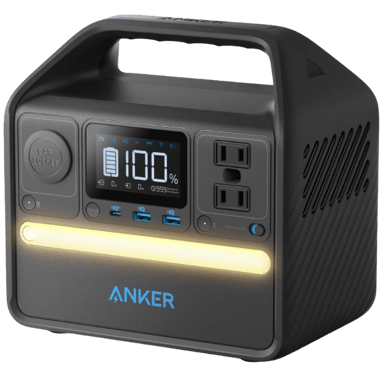

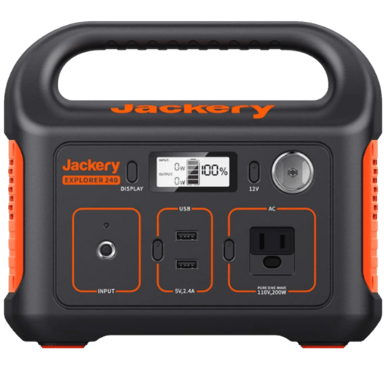
 Recaptor
 0
Cartling
0
Cartling
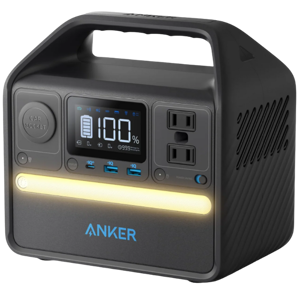
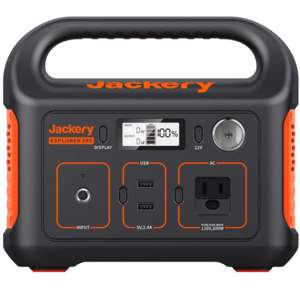





 18
18